Post

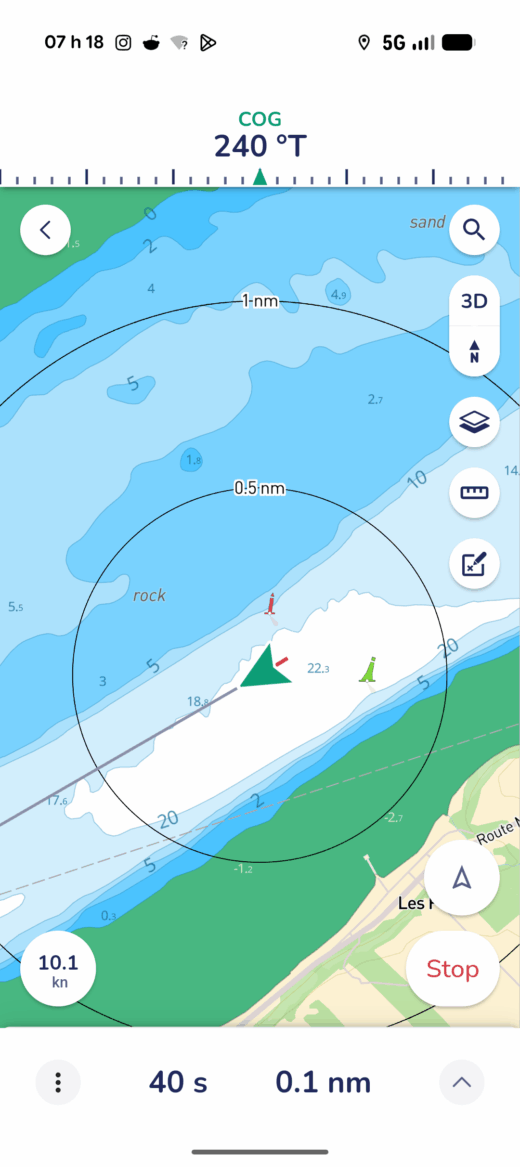
Navigation avec Savvy Navvy.

Introduction to the Savvy Navvy App

This text is the fourth of five on electronic navigation applications. It covers the use of the Savvy Navvy application to perform the eight essential navigation tasks: The other texts cover the Navionics (Boating), C-MAP, OpenCPN and SEAiq applications respectively. This text assumes that the application is installed on a...

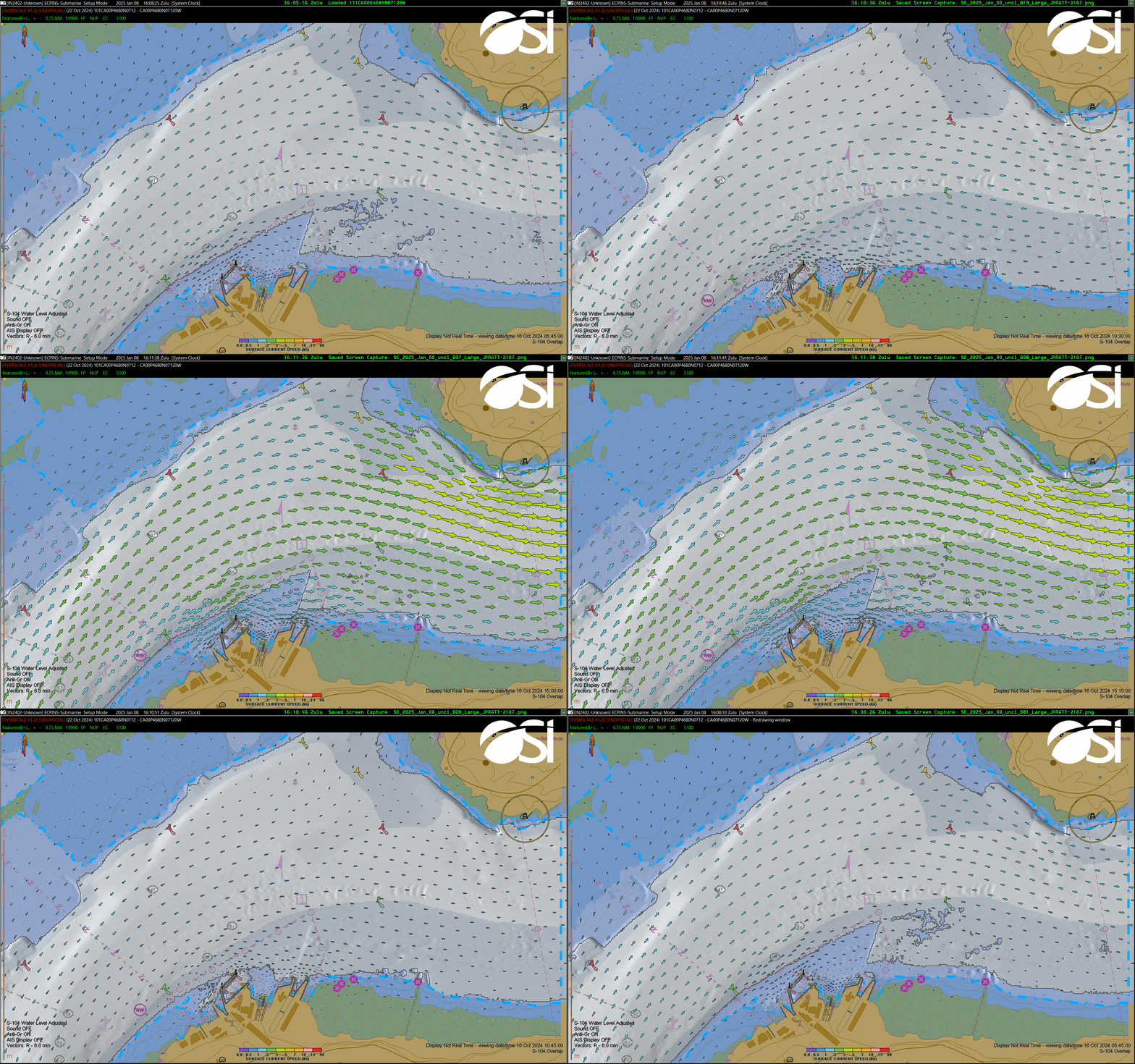
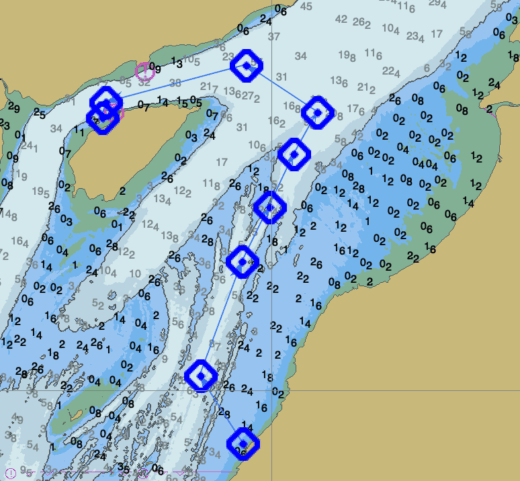
Carte S-104 combinant niveaux et courants.

Introduction to Electronic Navigation Apps

This text focuses on electronic navigation applications for small boats. These electronic applications are used to display electronic charts. For concrete examples, I wrote five introductions to different applications: Navionics (Boating), OpenCPN, C-MAP, Savvy Navvy and SEAiq. Below, I detail the elements common to navigation apps generally found on sailboats,...

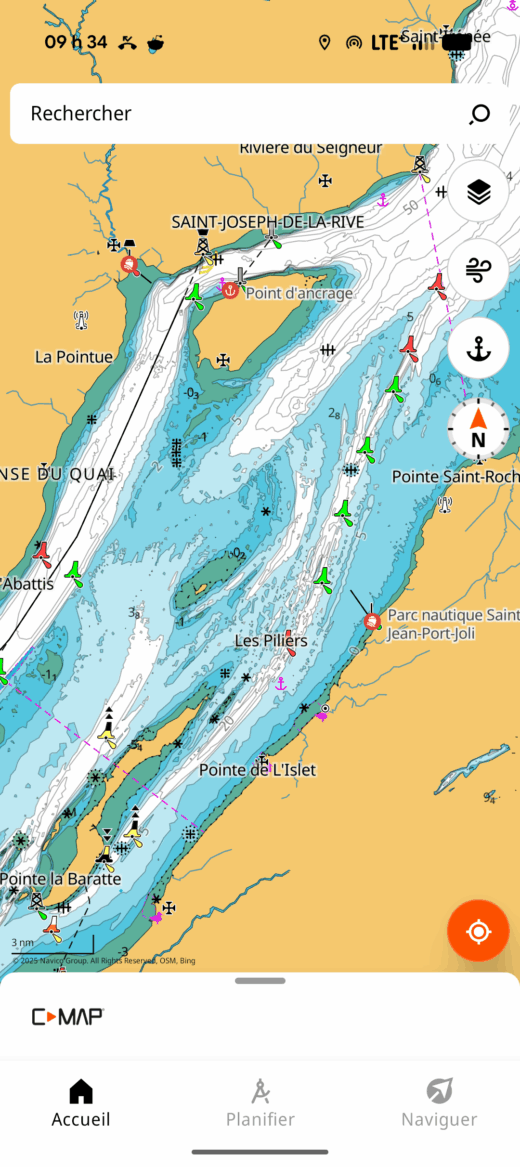
Copie d'écran de l'application C-MAP.

Introduction to the C-MAP application

This is the third of five articles on the use of electronic navigation applications. It focuses on the C-MAP application. The other texts cover the use of OpenCPN, Savy Navy, Navionics and SEAiq. It focuses mainly on installations on tablets or cellular devices that are not connected to a sailboat’s...

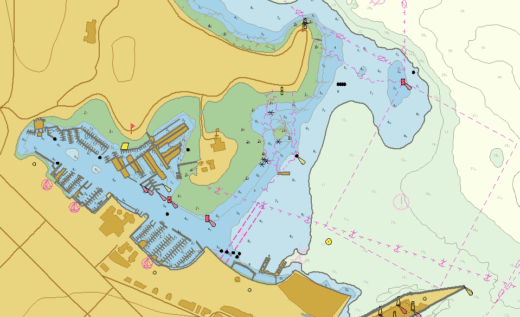
Carte électronique de navigation (CEN).

Introduction to electronic charts

This text is intended as an introduction to electronic navigational charts (ENCs). It covers how they are designed. This knowledge helps understanding how to use them and their limitations. It is an essential reading before using our introduction to electronic navigation applications. You can also read a similar text on...

Navionics

Introduction to Navionics (Boating)

This text is the first in a series of five on electronic navigation applications. It shows you how to perform the most important navigation tasks, i.e. how to: This first text covers the Navionics (Boating) application. The other texts cover OpenCPN, Savyy Navy, C-MAP and SEAiq respectively. Prior to reading...

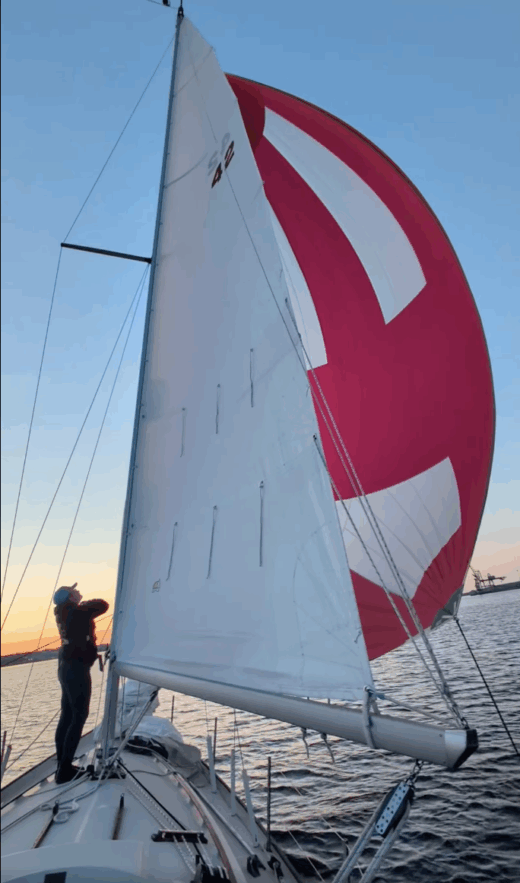
Contessa 32 under spinnaker

Sailboat familiarisation (part 2)

This series of texts describes how to carry out a familiarisation inspection of a sailboat. The first text described how to think about inspecting three of the nine fundamental components of a sailboat: the hull, the engine and the rigging. The second text, this one, illustrates how I familiarised myself...

Drapeau Australien

The RYA as a commercial entry in Australia

Good news for Royal Yachting Association (RYA) commercial certificate holders. Australia now recognizes RYA training courses for the purposes of obtaining commercial certificate in Australia. Holding a YachtMaster certificate does not automatically entitle the holder to an Australian commercial certificate (“Sailing Master Offshore NC”), but it is a prerequisite. You...

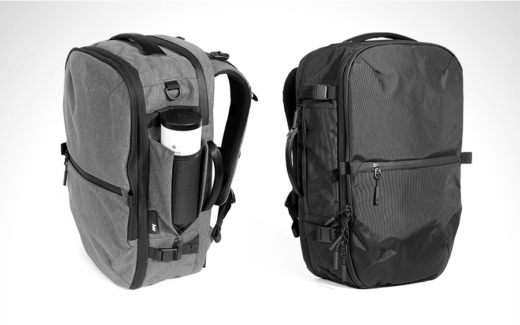
Review: backpacks from AER and Black Miles

Two years ago, I bought two travel backpacks – big enough to make a weekend suitcase, but small enough to pass the airline “carry-on” test. I bought the Travel Pack from AER and the Mile One from Black Mile. Both impressed me as well-organized, discreet-looking bags (black, no visible markings,...

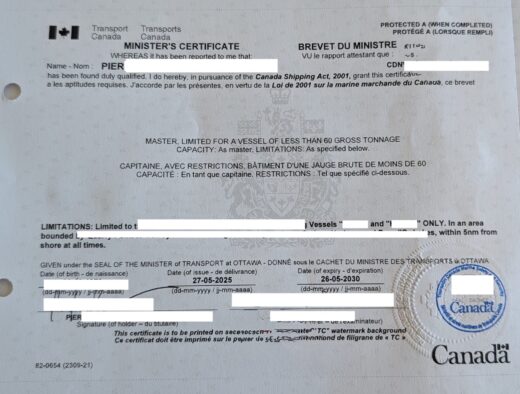
Master 60: 10 facts about the certification

Officially entitled ” Captain, with restrictions, of a vessel of less than 60 gross tonnage “, the “Master 60” is a Canadian professional certificate issued under the Canada 2001 Shipping Act. It entitles the holder to engage in commercial sailing activities. It confers all the powers – and responsibilities –...

A mini standing rigging adjustment guide

The techniques for adjusting standing rigging are as old as the history of sailing itself. Some consider it an art, while others prefer to leave it to the professionals. The prevailing view is that improper adjustment will slow the boat down and may even be dangerous. A few tips can...